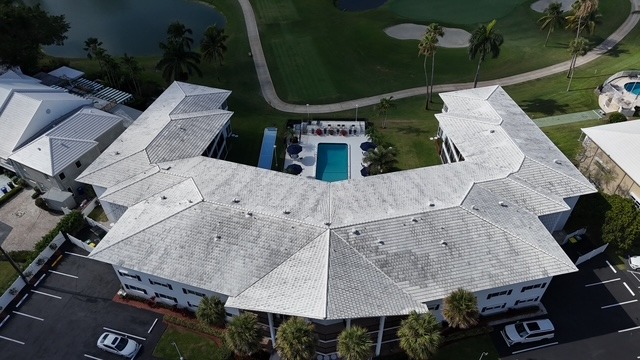
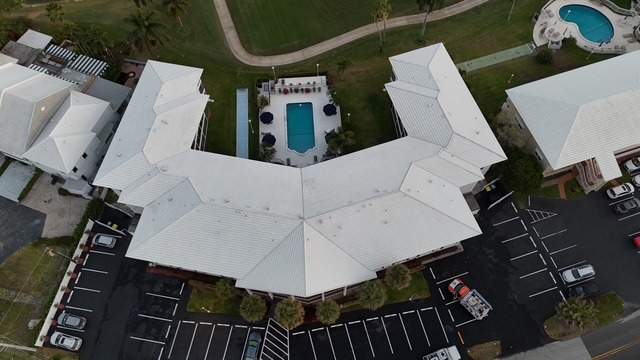
Roof soft washing broward county fl Metal roof soft washing , tile roof soft washing, Flat & Shingle roof soft washing
The soft washing process is an effective and gentle method for cleaning roofs and other exterior surfaces, ensuring both cleanliness and the preservation of surrounding landscaping. This method is particularly favored for its ability to eliminate organic growth such as algae, mold, and mildew without causing damage to the surfaces being treated.
Roof soft wash Preparation
Before any cleaning solution is applied, careful preparation is essential to protect the surrounding environment. Technicians begin by thoroughly wetting the landscaping around the area to create a barrier against potential chemical runoff. Additionally, they utilize neutralizing agents—specially formulated substances designed to mitigate any adverse effects of the cleaning agents on plants. This step is crucial in ensuring that the integrity of the vegetation is maintained throughout the cleaning process.
Application: Once the preparation is complete, the next step involves the application of the cleaning solution. Typically, this mixture comprises water, sodium hypochlorite (commonly known as bleach), and a surfactant, which acts as soap. The technicians skillfully spray this solution onto the roof, ensuring even coverage across all affected areas. The chemical components work in harmony to break down stubborn organic materials and sanitize the surface, making it clean and safe.
Dwell Time: After the cleaning solution has been applied, it is crucial to let it sit for a specific period, referred to as the dwell time. This step typically lasts between 15 to 30 minutes, allowing the solution to penetrate and effectively break down the organic growth. During this time, the sodium hypochlorite works on disinfecting the surfaces, preparing them for a thorough rinse.
Gentle Rinse: Following the dwell time, it is time for the gentle rinse. Using a low-pressure system, technicians rinse away the debris that has been loosened by the cleaning solution. This method ensures that the surfaces are not subjected to the high pressure that can often cause damage. In certain applications, a 'no-rinse' approach may be employed, where the remaining cleaning solution is left to be washed away naturally by rain over time.
This technique allows the solution to continue its work, further contributing to the overall cleanliness of the surface without immediate rinsing. In conclusion, the soft washing process combines careful preparation, effective application, adequate dwell time, and a gentle rinsing method to produce outstanding results. By using this approach, not only is the cleanliness of roofs and surfaces ensured, but also the health of surrounding landscaping is preserved, demonstrating a thoughtful balance between efficacy and environmental responsibility.
Roof soft washing Process
Soft washing a roof is an effective and safe method for cleaning and maintaining the appearance of your home. This technique utilizes a low-pressure application of a biodegradable cleaning solution, which often includes elements like diluted bleach, surfactants, and algaecide. Unlike traditional pressure washing, which can cause damage to shingles and other roofing materials, soft washing gently eliminates organic growth such as algae, mold, and moss without compromising the integrity of the roof.
One of the most significant advantages of soft washing is its ability to restore the roof's aesthetic appeal. Over time, roofs can develop unsightly stains and discoloration due to the accumulation of these organic materials. By employing a soft washing technique, homeowners can effectively rejuvenate their roofs, enhancing their home's curb appeal.
Moreover, soft washing extends the lifespan of the roof. The biodegradable cleaning solution not only washes away existing growth but also targets the root causes of these stains, helping to prevent future infestations. This preventive aspect is particularly crucial for older roofs or those that exhibit considerable organic buildup. A well-maintained roof can last years longer than one that is neglected, translating to significant savings in terms of repairs or early replacements.
The results of soft washing are long-lasting. Once the cleaning solution has been applied and allowed to work its magic, many homeowners find that their roofs remain clean and free from organic growth for several years. This durability makes soft washing a wise investment for maintaining the condition of your roof and, by extension, your entire home.
In conclusion, soft washing is a superior cleaning method that safeguards your roof while effectively addressing maintenance concerns. By opting for this gentle yet powerful approach, homeowners can enjoy a cleaner, more attractive roof that stands the test of time.
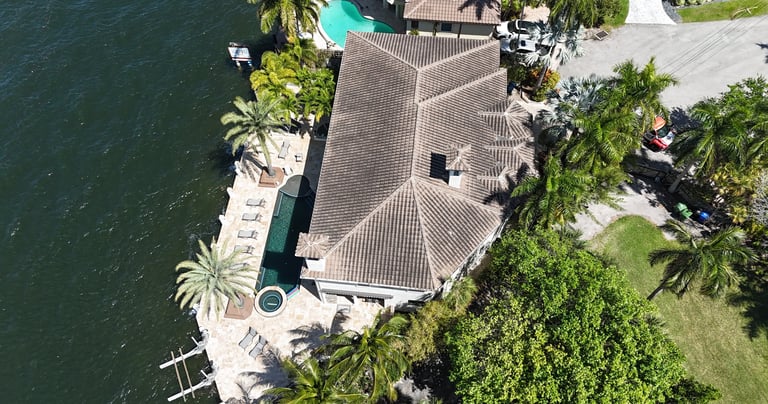
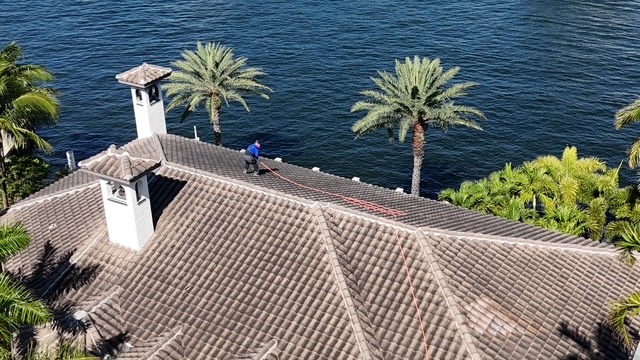
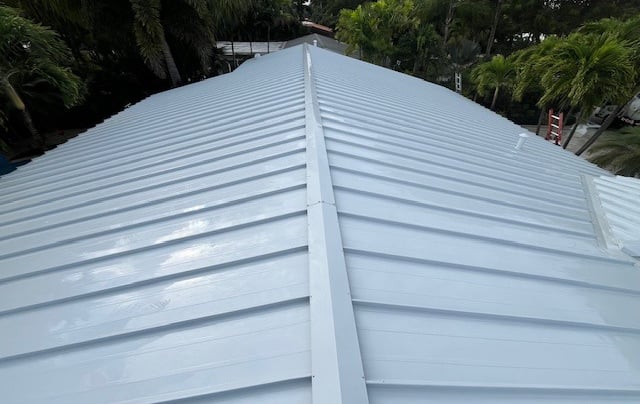
Soft washing a metal roof is an effective and gentle method to keep your roofing in pristine condition while preventing damage that can occur from high-pressure washing techniques. This approach utilizes a low-pressure system that applies a carefully formulated cleaning solution—commonly a mixture of diluted sodium hypochlorite (bleach), water, and a surfactant—targeting organic growths like mold, algae, and mildew. Here’s a detailed guide on how to properly execute this process.
Preparing for Soft Washing
Before you begin the soft washing process, it’s essential to undertake adequate preparations to ensure safety and effectiveness.
1. Assess the Roof Condition: Check your roof for any existing damage or areas that may be susceptible to further issues. If you notice any loose panels, exposed nails, or severe oxidation, address these problems first to prevent further complications.
2. Gather Necessary Equipment: Equip yourself with the required tools, including a low-pressure sprayer, soft washing solution, protective gear (gloves, goggles, and mask), and a hose for rinsing.
3. Protect Surrounding Plants: Since the soft washing solution contains sodium hypochlorite, which can be harmful to vegetation, be sure to pre-wet the roof and surrounding plants. This will minimize any potential damage and keep your landscaping safe during the cleaning process.
1. Pre-Wetting the Roof and Surroundings: Start by thoroughly wetting the surface of the roof and any adjacent plants with water. This step is vital as it helps to dilute the cleaning solution in case of any runoff and protects your landscape.
2. Mix the Cleaning Solution: Prepare your soft washing solution by mixing the sodium hypochlorite with water according to the recommended ratios, typically around one part bleach to four parts water, along with a surfactant to aid in drawing out the grime. Always follow safety protocols and remember to wear your protective gear during this step.
3. Apply the Cleaning Solution: Using your low-pressure sprayer, evenly apply the cleaning solution to the roof’s surface. Start from the top and work your way down to help facilitate drainage and prevent streaks. Ensure that the solution covers all affected areas and let it dwell for a period—typically between 10 to 20 minutes—so that it can effectively penetrate and kill the organic growth.
4. Avoiding Damage: It’s imperative to monitor the temperature of the metal surface during this process. Do not allow the cleaning solution to dry on hot metal, as this can lead to damage such as oxidation or discoloration. If you are working on a particularly hot day, consider applying the solution in the early morning or late afternoon when temperatures are cooler.
5. Thorough Rinsing: After allowing the solution to sit for the recommended time, use a garden hose or a low-pressure sprayer to rinse the roof thoroughly. Ensure that all residues are washed away, paying special attention to corners and seams where debris might accumulate. A thorough rinse helps prevent residue accumulation and protects your roof’s integrity.
6. Addressing Oxidation: If you notice signs of oxidation on your metal roof, it may be necessary to use specialized cleaning products specific to treating oxidized metal. Follow the manufacturer’s instructions for these products to ensure proper cleaning and prevention of further issues.
After soft washing your metal roof, inspect the roof once more to ensure all signs of organic growth have been eliminated, and that you have not missed any areas during rinsing. Regular maintenance, including soft washing your metal roof every few years, can enhance the roof's longevity, appearance, and overall performance. Additionally, maintaining adequate drainage and addressing any leaks promptly will contribute to a healthier roofing system.
Soft washing is not just about cleanliness; it’s about protecting your investment in your home. With proper execution of these steps, you can effectively revive your metal roof while avoiding the risks associated with high-pressure washing techniques. Remember, a well-cared-for roof not only preserves the aesthetic of your home but also assures its structural integrity over time.
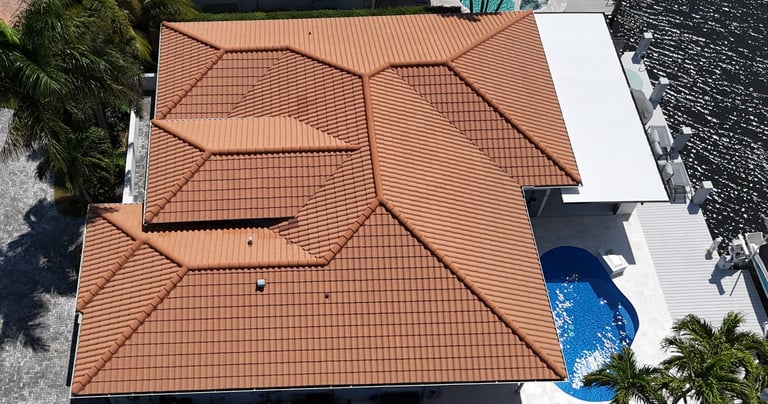
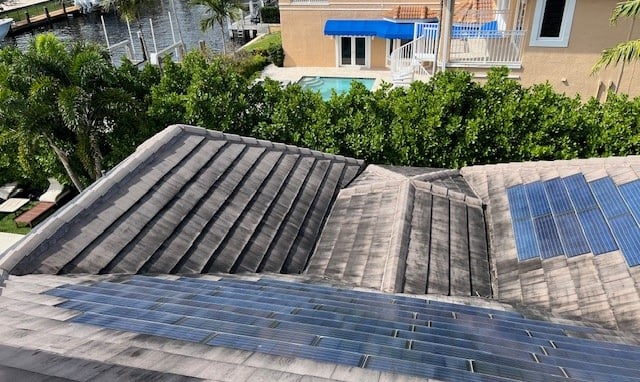
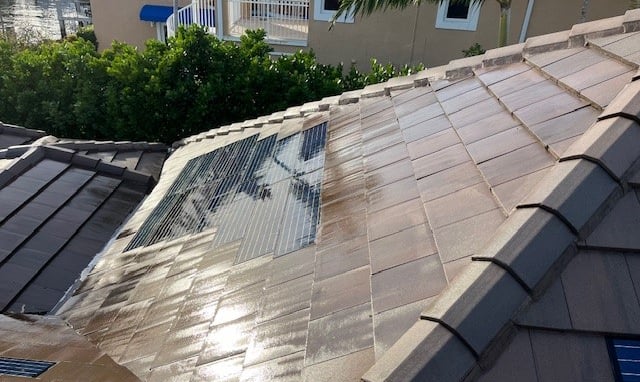
Soft washing is an increasingly popular method for cleaning tile roofs, offering a gentle yet effective solution for homeowners looking to restore the aesthetic appeal of their rooftops. Unlike traditional pressure washing, which can utilize high pressures that potentially harm the delicate surfaces of tile roofs, soft washing employs a significantly lower pressure—typically around 70 psi. This minimal pressure is crucial in preventing any damage to the glaze of the tiles, ensuring the longevity and integrity of your roof.
The process of soft washing involves a specialized chemical mixture composed of sodium hypochlorite, water, and a surfactant. This combination works harmoniously to eliminate unwanted growths such as algae, moss, and grime that can accumulate on roofs over time. Algae, particularly, can lead to unsightly stains that detract from your home’s appearance, while moss can hold moisture, leading to potential structural issues if left untreated.
One of the key advantages of soft washing is its safety and effectiveness. The chemical mix not only kills existing algae and moss but also helps to prevent future growths for several years after application. This long-term effectiveness contrasts sharply with that of harsh pressure washing, which can only provide temporary results. Pressure washing may remove surface grime effectively, but it does little to address the root causes of growth. Additionally, the high-pressure water can cause micro-damage to the tiles, potentially leading to costly repairs in the long run.
In essence, soft washing serves as a preventive measure as well as a restorative one. By targeting not just the visible signs of decay but also the underlying spores and roots, it creates an environment less conducive to regrowth. Homeowners who opt for this method will not only see an immediate improvement in their roof's appearance but also save money by prolonging the life of their roofing material and reducing the need for frequent cleanings.
For those considering soft washing, it is advisable to hire professionals equipped with the right tools and knowledge of safe practices. A skilled technician can apply the chemical mixture evenly and ensure that it adheres to the tiles appropriately, maximizing its efficacy while safeguarding the integrity of your roof.
In conclusion, soft washing a tile roof is a smart choice for anyone looking to maintain their home's exterior aesthetics. By leveraging low-pressure methods and effective chemical solutions, homeowners can enjoy a clean, beautiful roof that resists algae and moss growth, enhances curb appeal, and ultimately protects their investment. This gentle technique not only restores your roof's former glory but also contributes to its durability and performance over the years.
Metal roof soft washing
Tile roof soft washing
954-347-2225
2026 PSI POWER WASHING All rights reserved.